

This summer, Mykonos becomes the setting for a landmark exhibition by internationally acclaimed artist What was everyday life like for the farmers, guards, labourers and archaeologists who lived and worked on Delos during the 20th century?
And how did the coexistence of rural life and archaeology give rise to a distinct local community and identity, that of the “Delians”?
Descendants of farmers, excavation workers and archaeological site guards, along with families who lived on Rineia and Delos, provide the answers through an ethnographic study supported by Cycladic Identity, an initiative of the Museum of Cycladic Art. The research formed part of ADELOS: Ethnographic Research and Experiential Action on Delos, a programme carried out by Boulouki – Itinerant Workshop on Traditional Building Techniques, in collaboration with social anthropologist Despina Nazou.
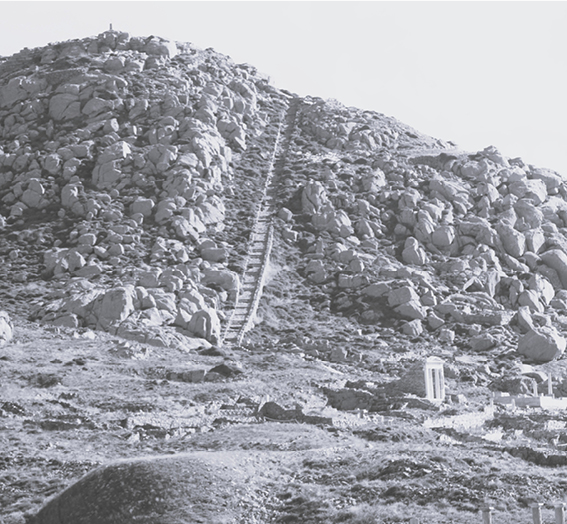
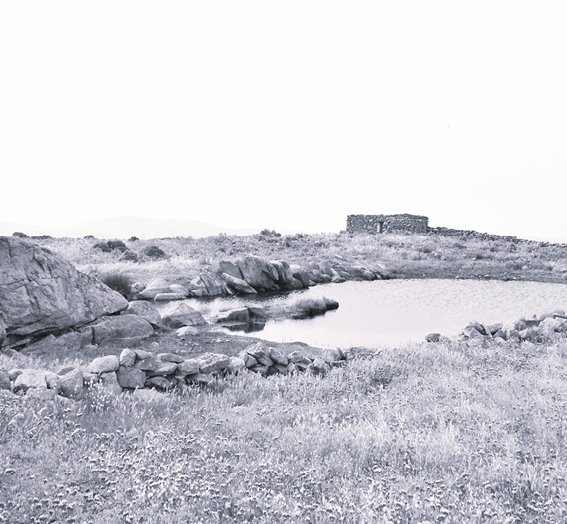
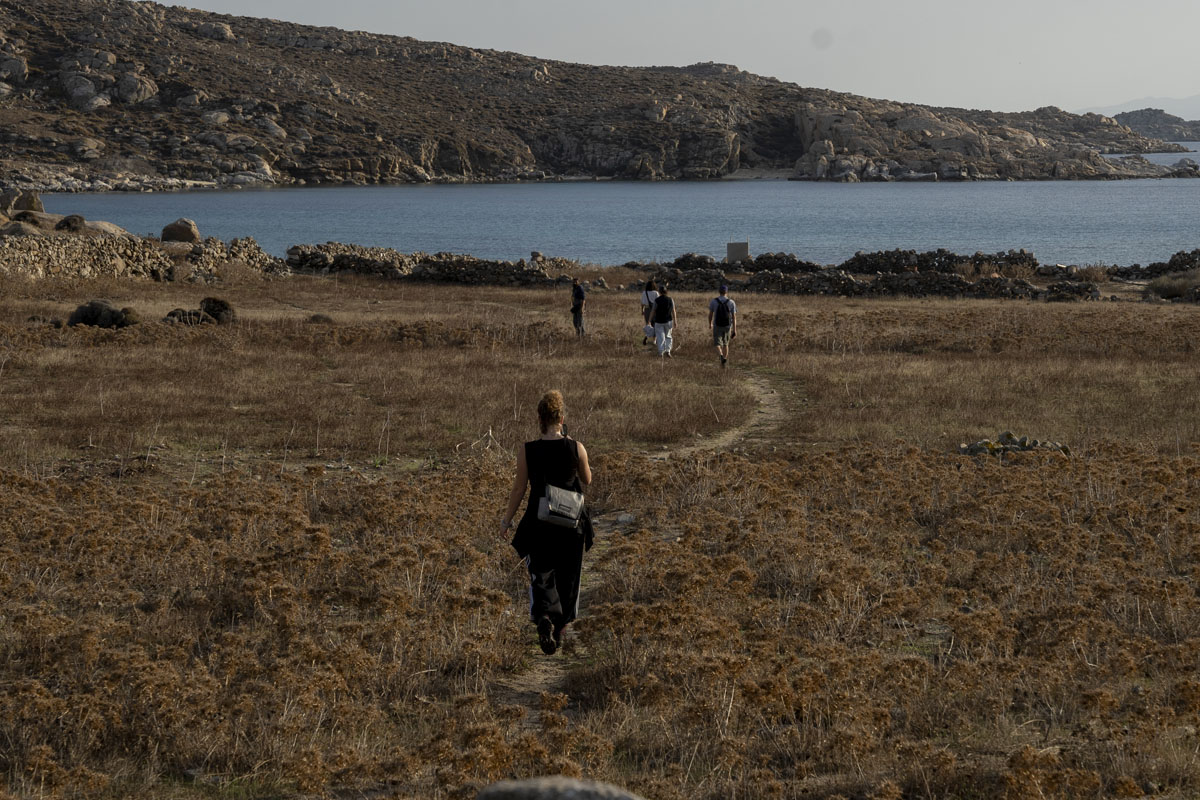
Drawing on oral testimonies, the programme brings to light a lesser-known chapter in the modern history of Delos: the lives of the people who inhabited and worked on the island, shaping its distinctive social and cultural landscape throughout the 20th century.
The accounts of 12 farmers, livestock breeders, workers and families with ties to Delos form a valuable archive of memory, contributing to the preservation and recognition of the Cyclades’ intangible cultural heritage. Among those interviewed are people who grew up on the island as the children of farmers and guards, and who often returned as adults to live and work there themselves as guards, craftspeople and labourers.
The research reveals a distinctive cultural identity that emerged from the coexistence of agriculture and archaeology on Delos from the late 19th to the late 20th century. By tracing the everyday lives of the individuals and families who inhabited and worked on the island, the ethnography brings into view an otherwise largely unseen community and the particular identity of the “Delians”.
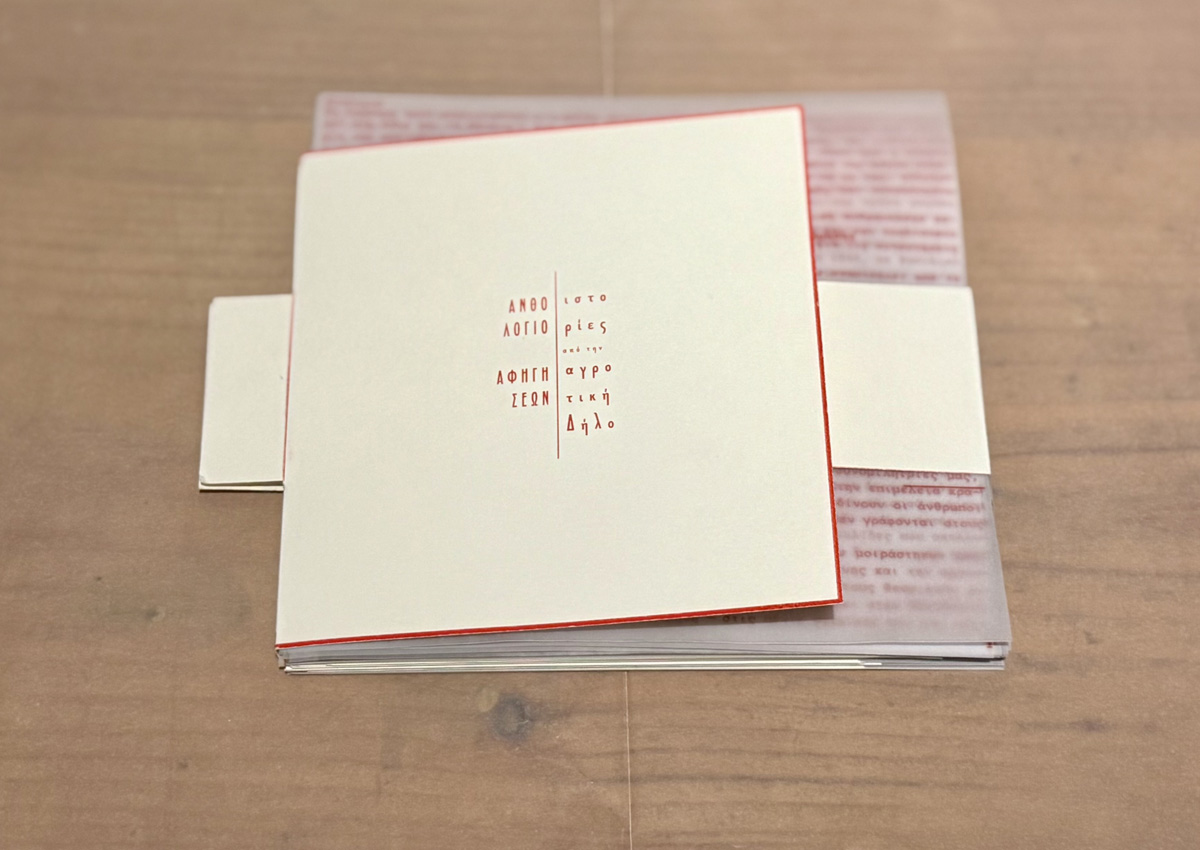
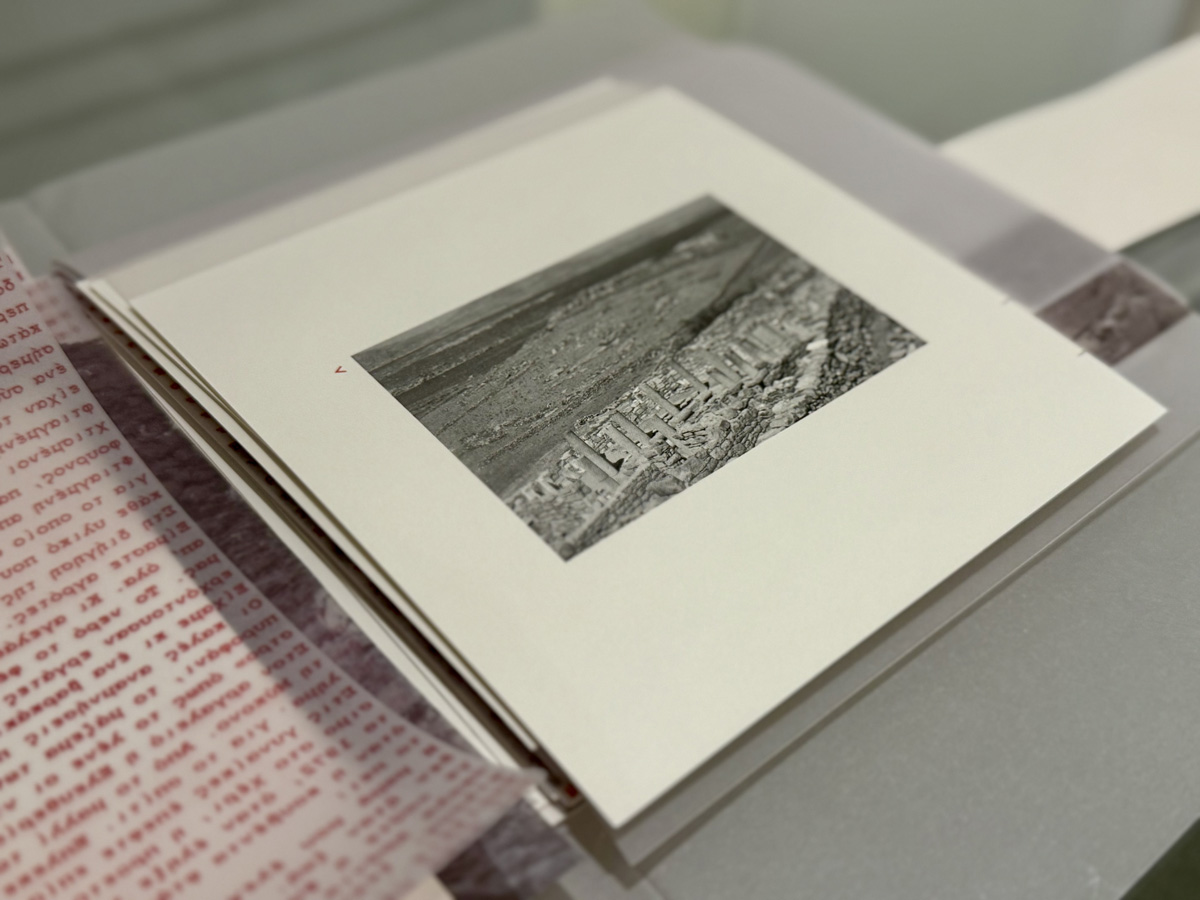
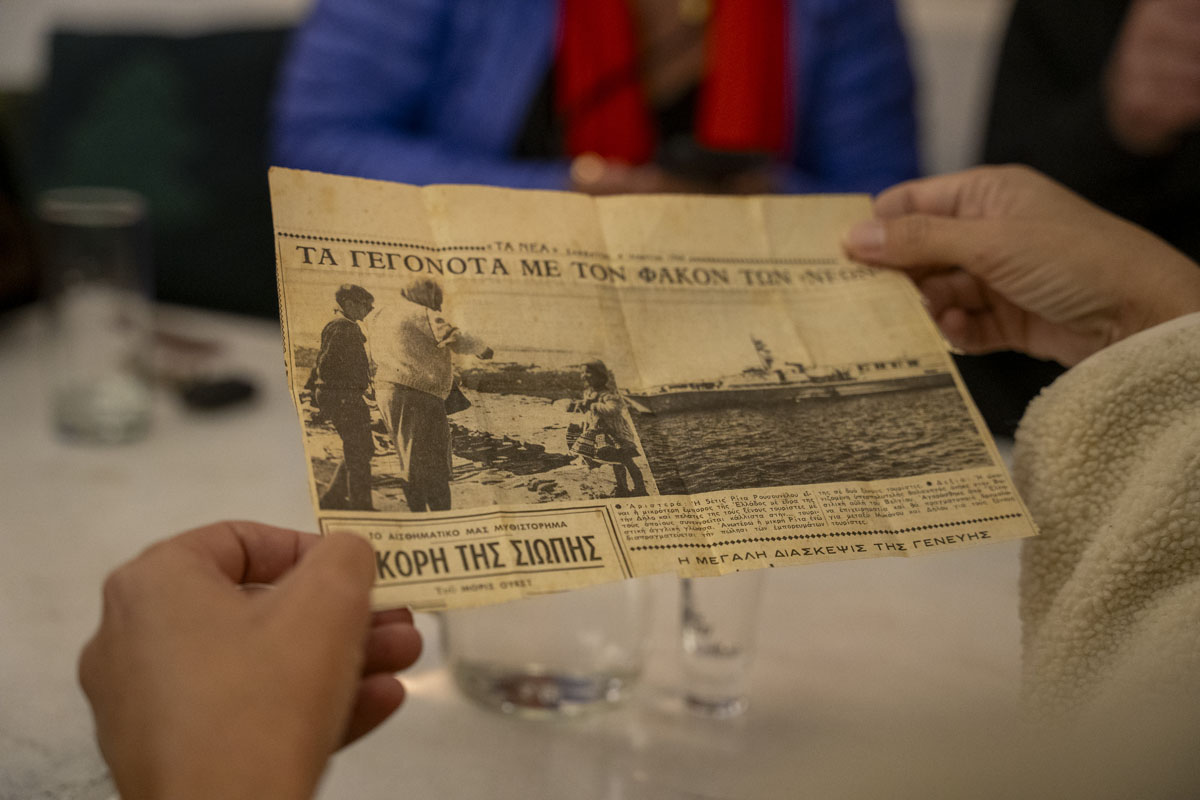
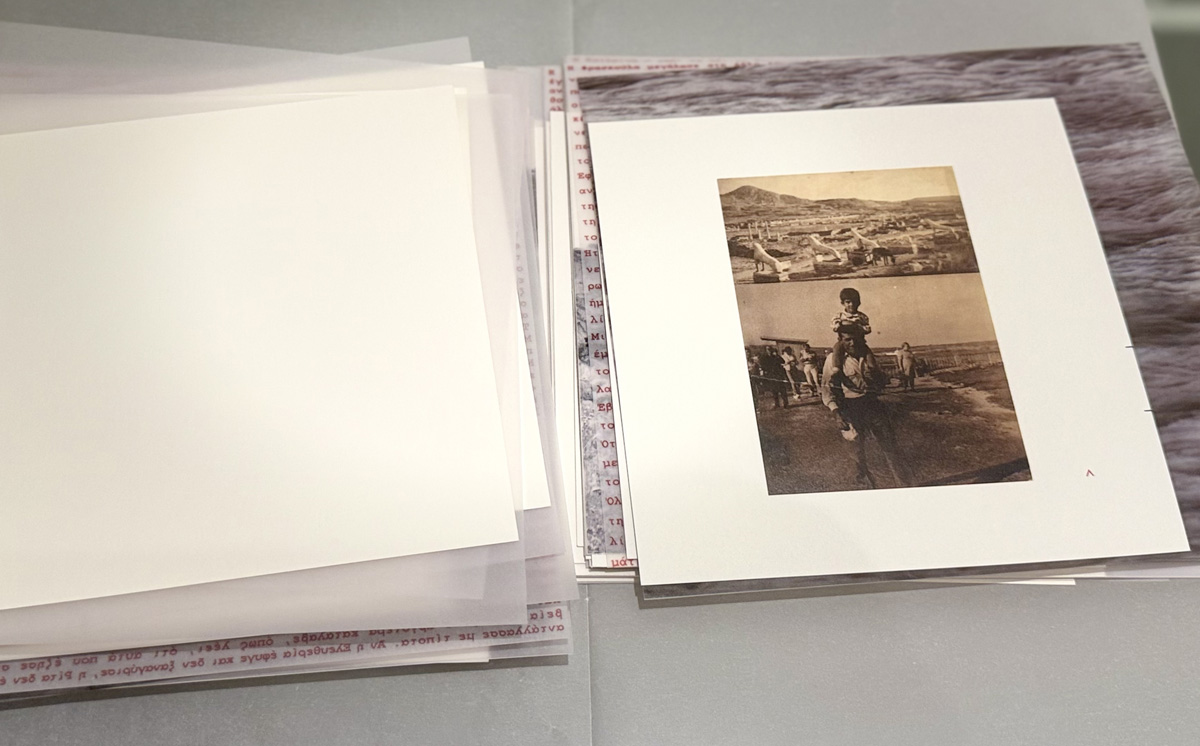
The findings have been brought together in an anthology of oral histories, featuring excerpts from interviews alongside archival photographs. Presented to the local community, the anthology provides an important record of the island’s recent social and cultural history and is available digitally to the public through the websites of Boulouki and Cycladic Identity.
The ADELOS Project
The wider ADELOS project is organised by Boulouki in collaboration with the Ephorate of Antiquities of the Cyclades and the French School at Athens, with The J.M. Kaplan Fund as its principal funder.
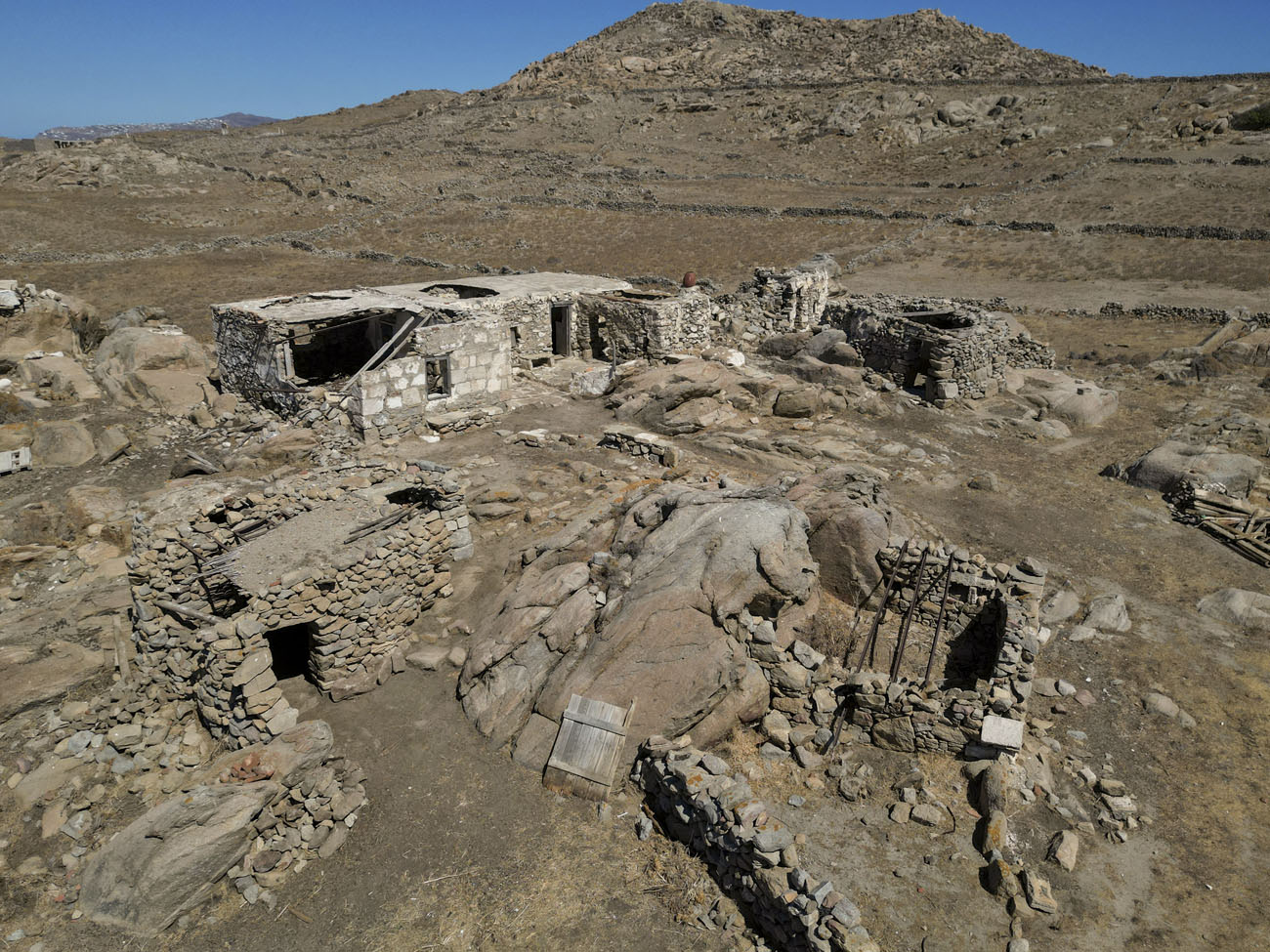
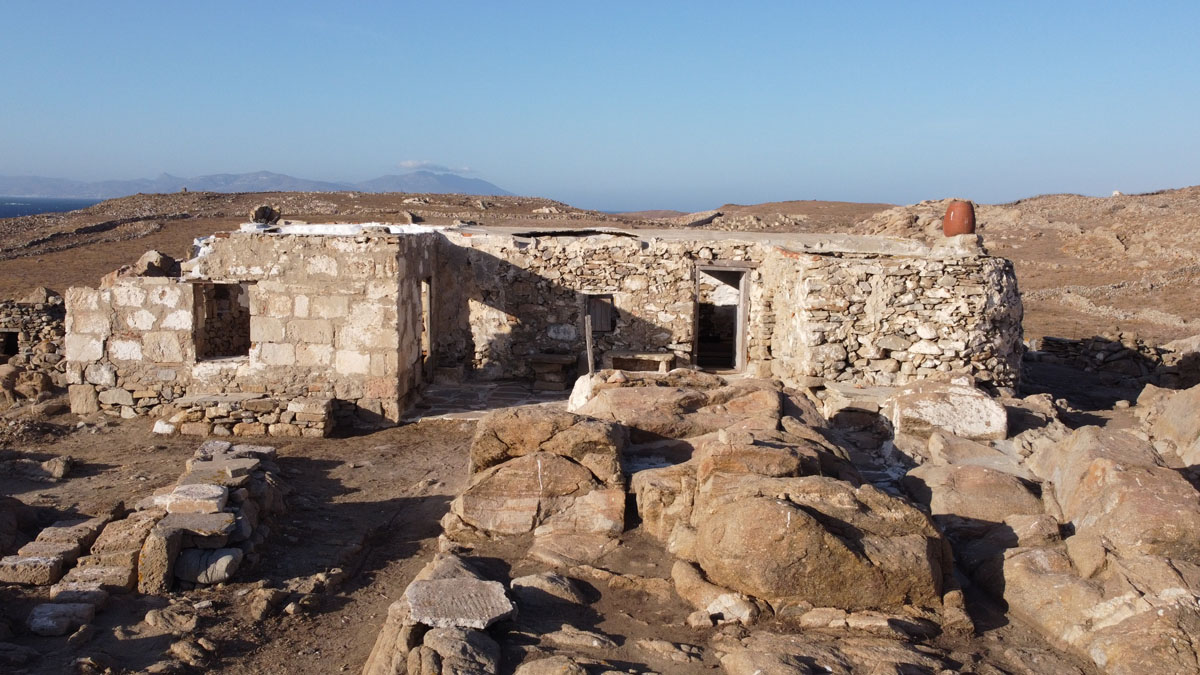
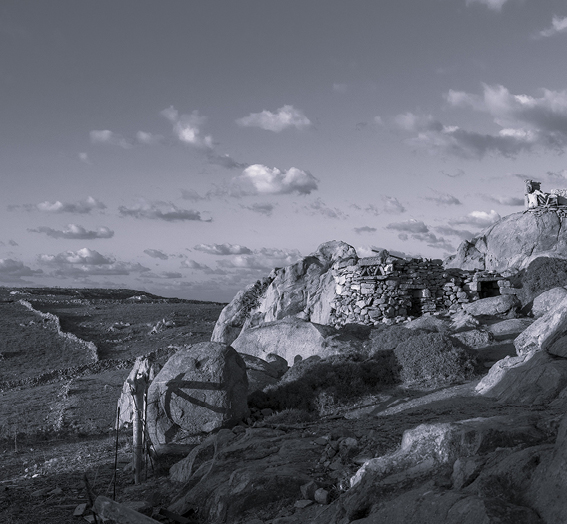
At the heart of the project is the restoration of the Markos Farmhouse, also known as Markos Village, an abandoned rural complex south of the main archaeological site of Delos. The aim is to transform it into accommodation for researchers working on the island.
ADELOS’s ethnographic research is conducted in collaboration with anthropologist Despina Nazou and supported by the Stavros Niarchos Foundation Public Humanities Initiative (SNFPHI) and the Cycladic Identity initiative of the Museum of Cycladic Art.
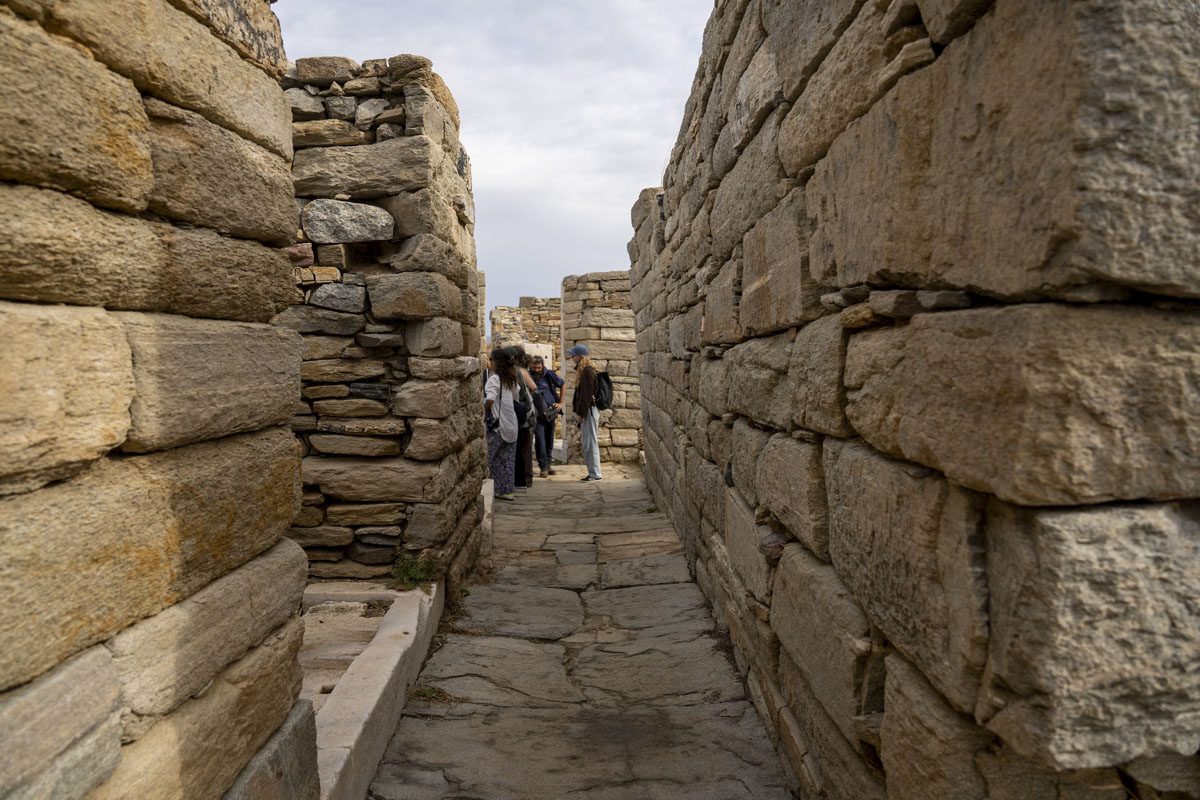
In the longer term, ADELOS aims to bring Delos’s 19th-century agricultural buildings back into use, preserving an important part of the island’s rural heritage. This chapter of Delos’s history remains relatively unexplored, often overshadowed by its ancient Greek and Roman past.
The project seeks to preserve and bring greater visibility to this more recent heritage, beginning with the Markos Farmhouse, a complex of eight buildings dating from the late 19th and early 20th centuries. The buildings are notable for their inventive reuse of materials, including rails from excavation carts and ancient fragments, tangible evidence of the remarkable coexistence of rural life and archaeology on the island.