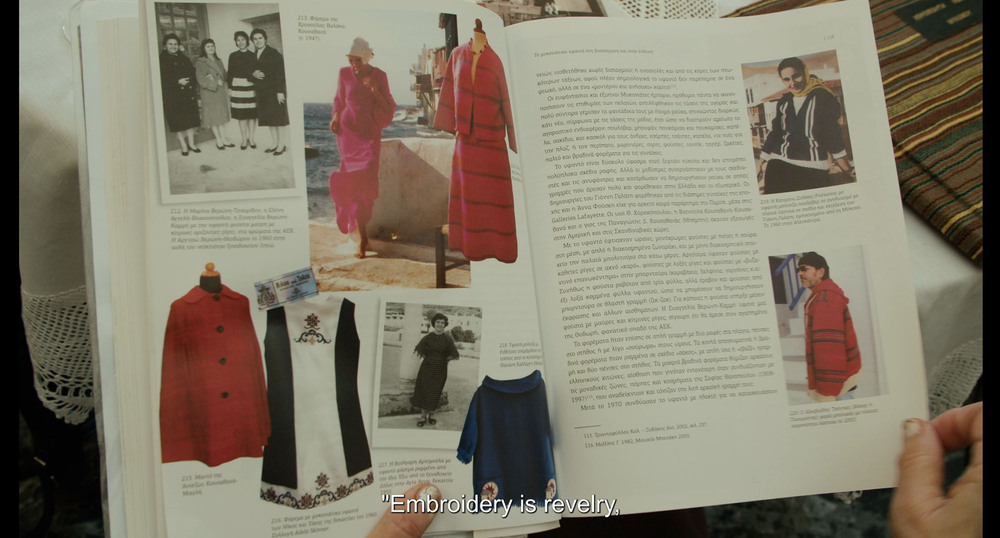
The history of weaving in Mykonos, the people who kept it alive and the possibilities for its continued development today were brought to light through the programme The Revival of the Ancient Greek Art of Weaving in 21st-Century Mykonos, implemented by the Mykonos Folklore Collection with funding from Cycladic Identity, an initiative of the Museum of Cycladic Art.
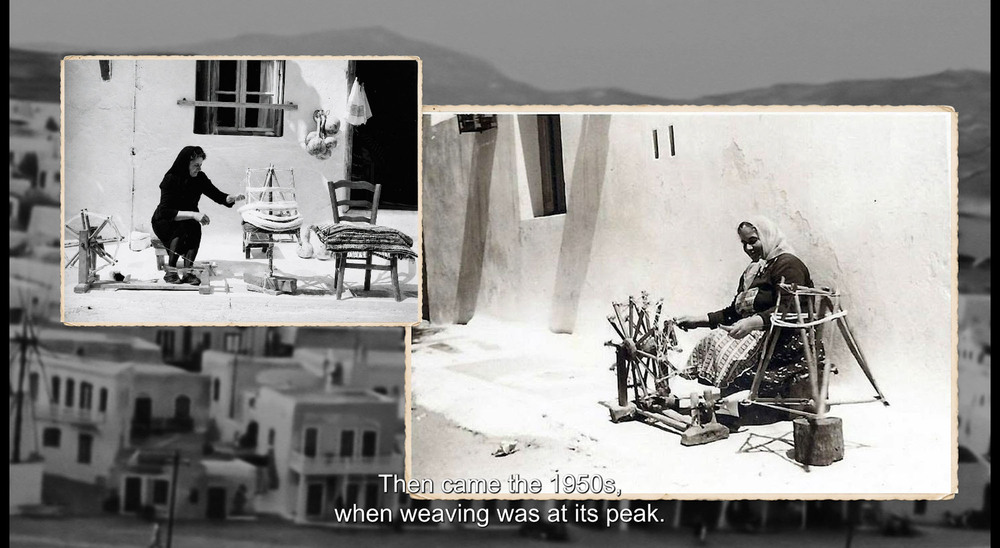
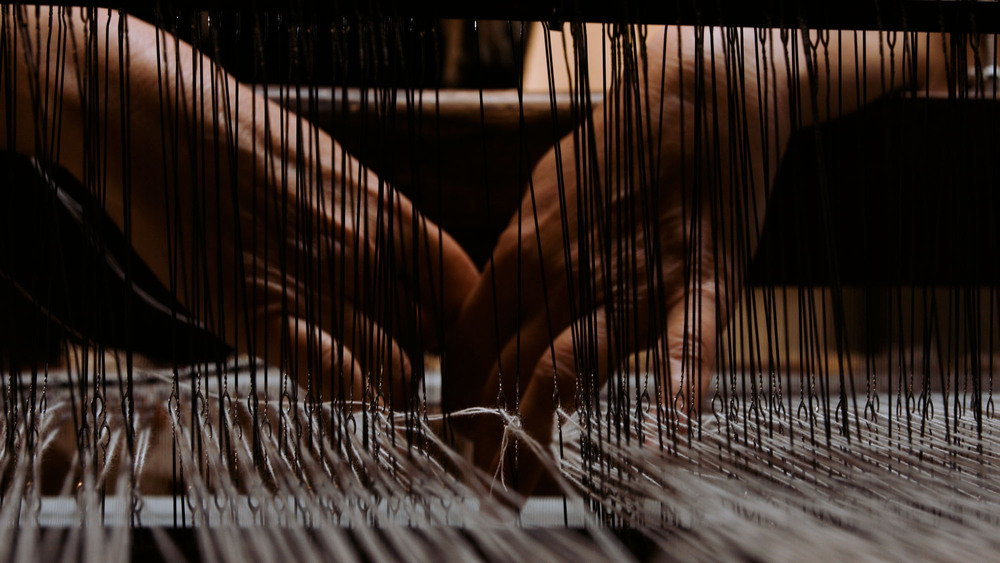
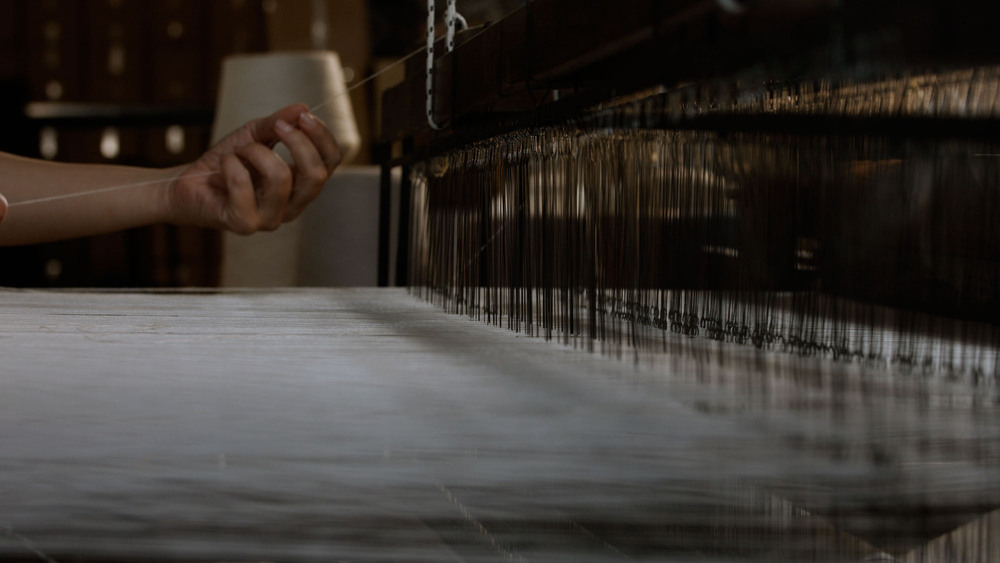
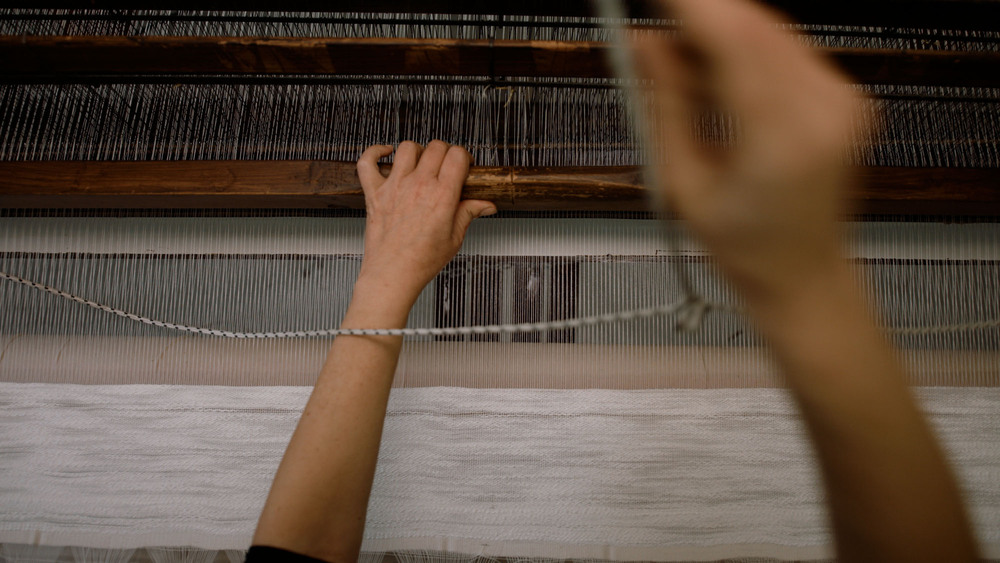
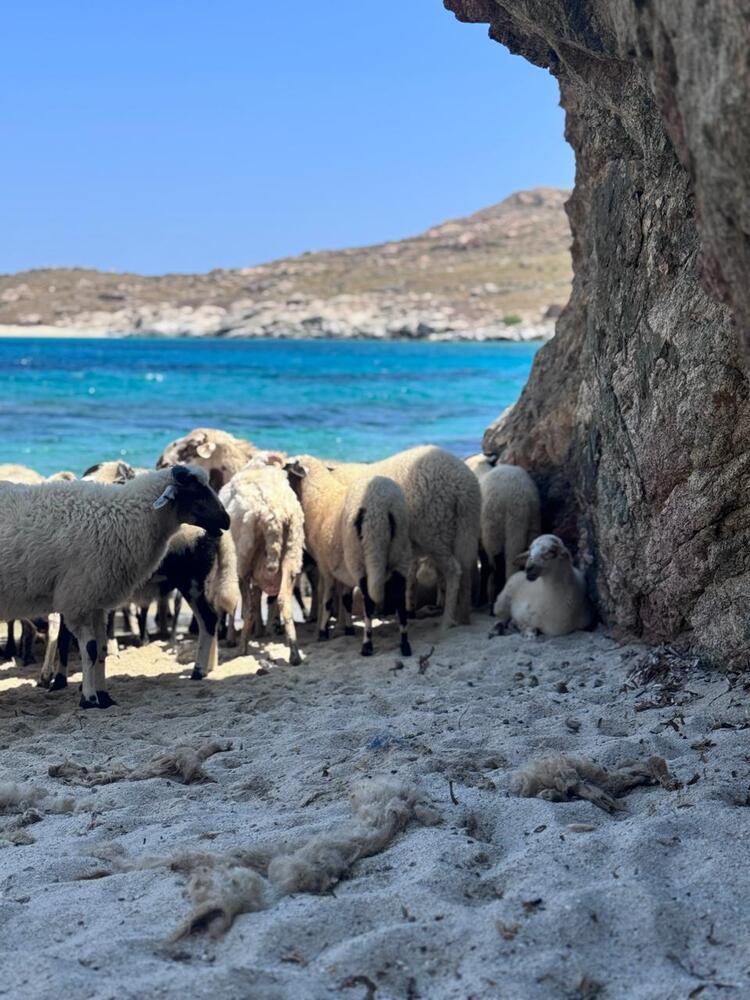
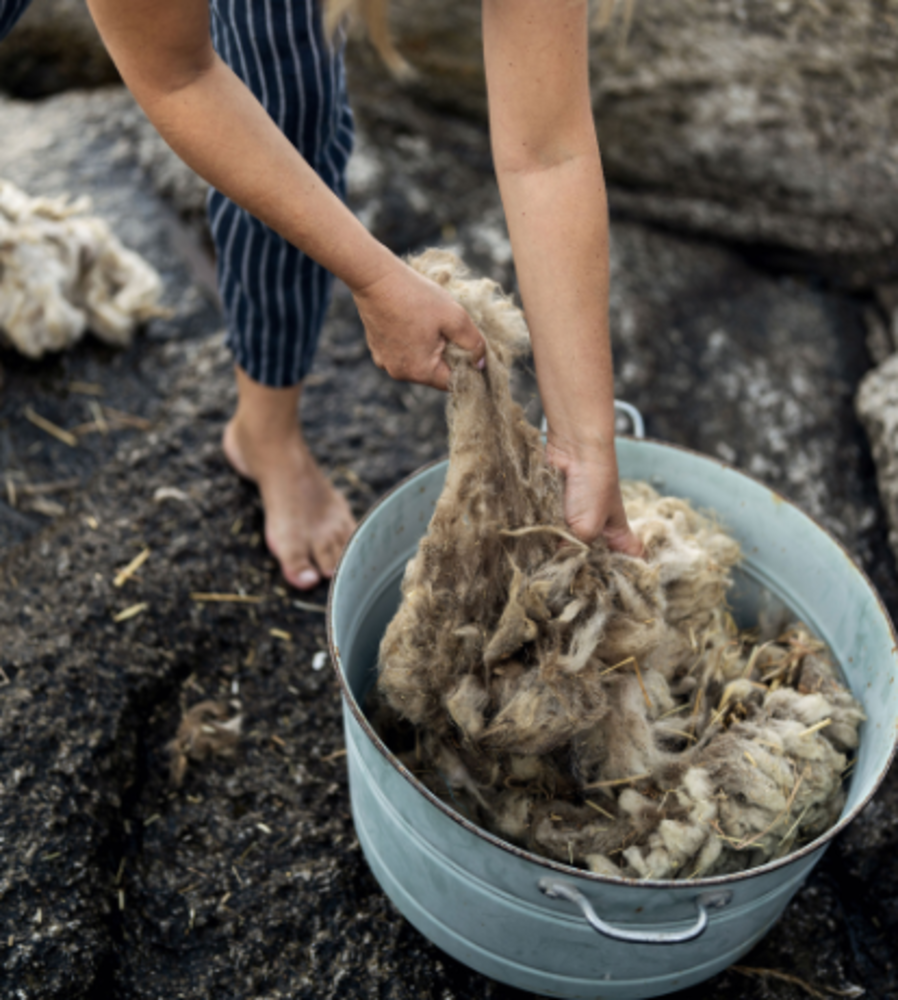
For centuries, weaving was an integral part of everyday and economic life in Mykonos. Clothing, bed linen and dowry textiles were made on the loom, using knowledge and techniques passed down primarily from woman to woman and from generation to generation. The selection and preparation of raw materials, spinning, setting up the loom, and choosing patterns and colours formed part of a lengthy process closely connected to the local community, the island’s identity and the everyday lives of families.
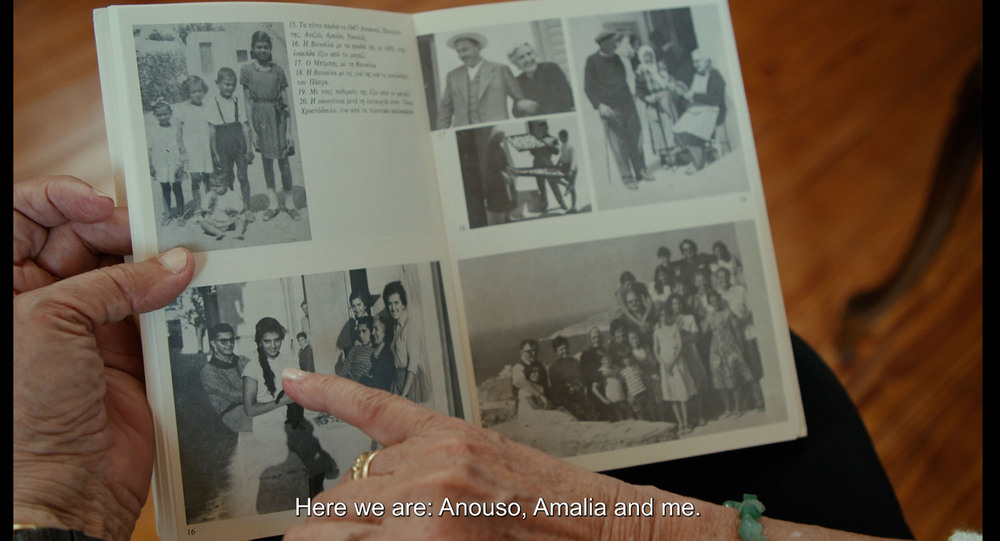
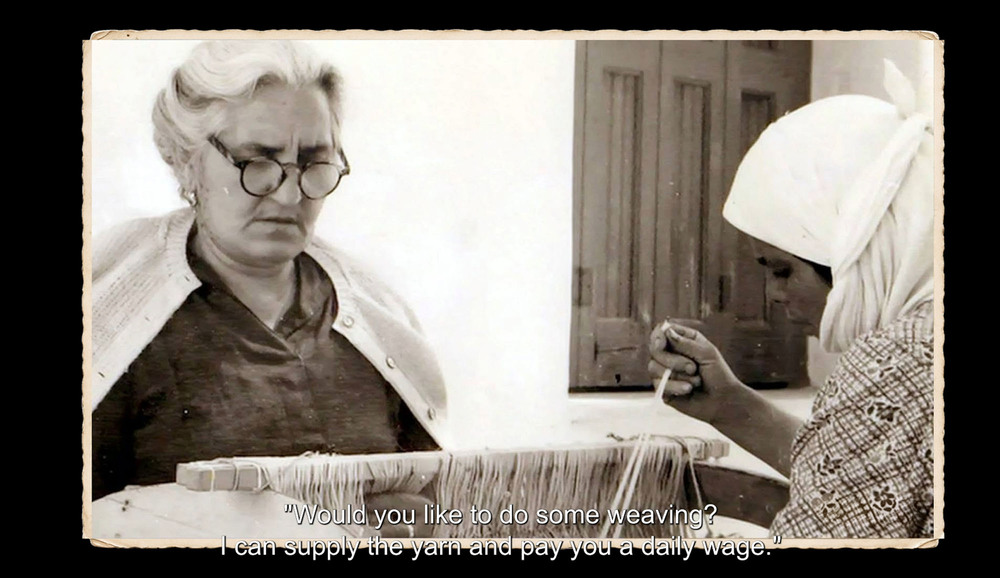
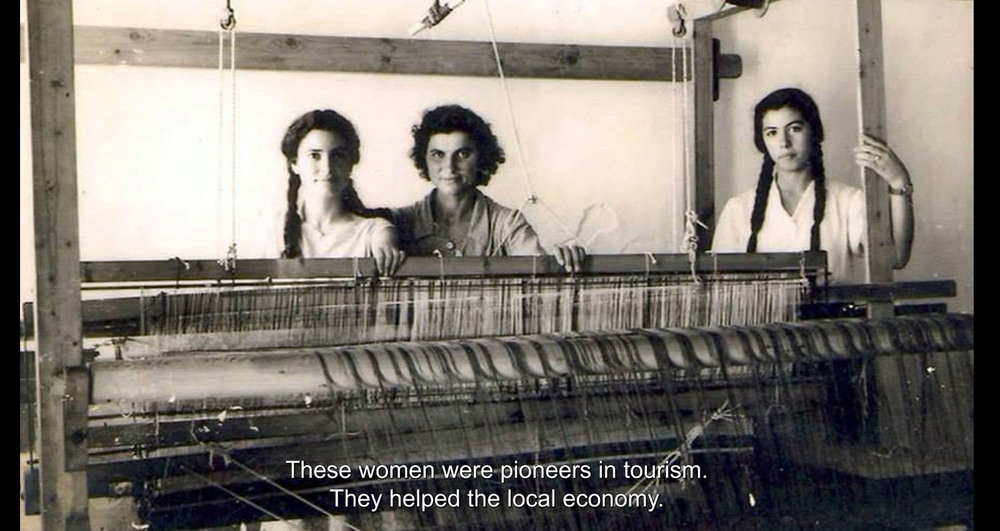
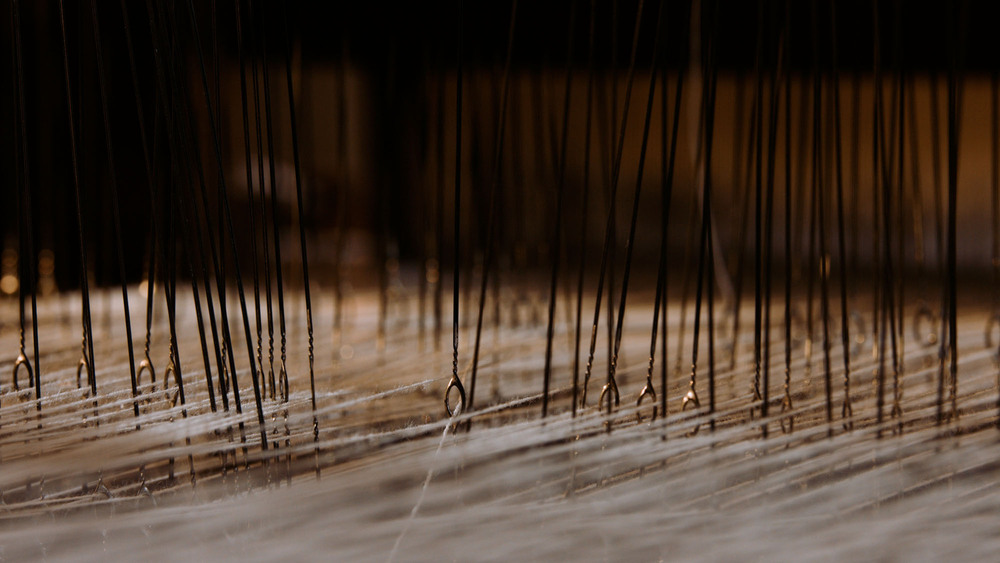
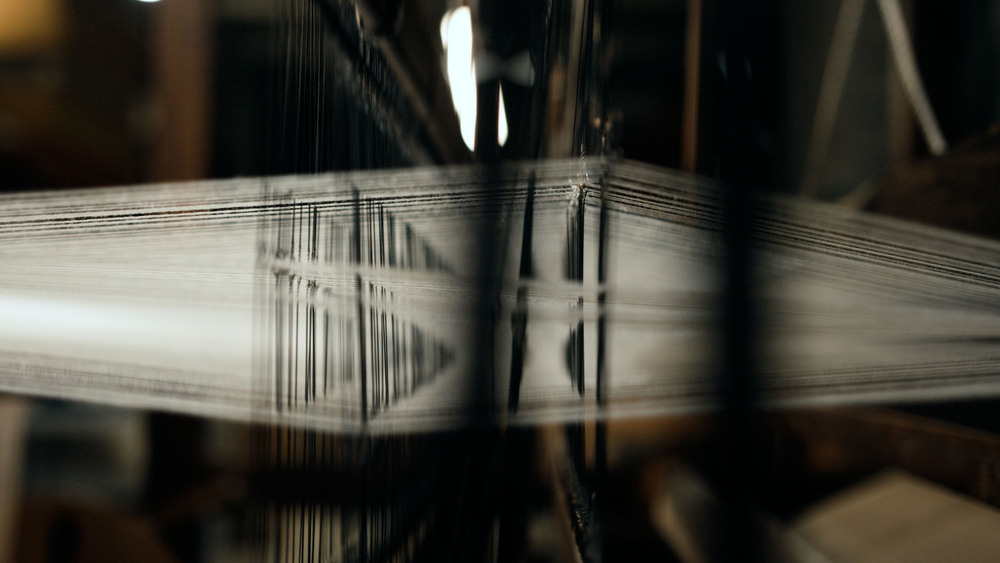
A central element of the programme was the creation of the documentary The Thread of the World, which traces the history of weaving in Mykonos through traditional techniques, tools and the processes of yarn production and weaving. The documentary places particular emphasis on the testimonies of older Mykonian women weavers, who share their personal stories and memories. Their accounts reveal the place of weaving in the home and family life, as well as the ingenuity and creativity of the women who kept the craft alive.
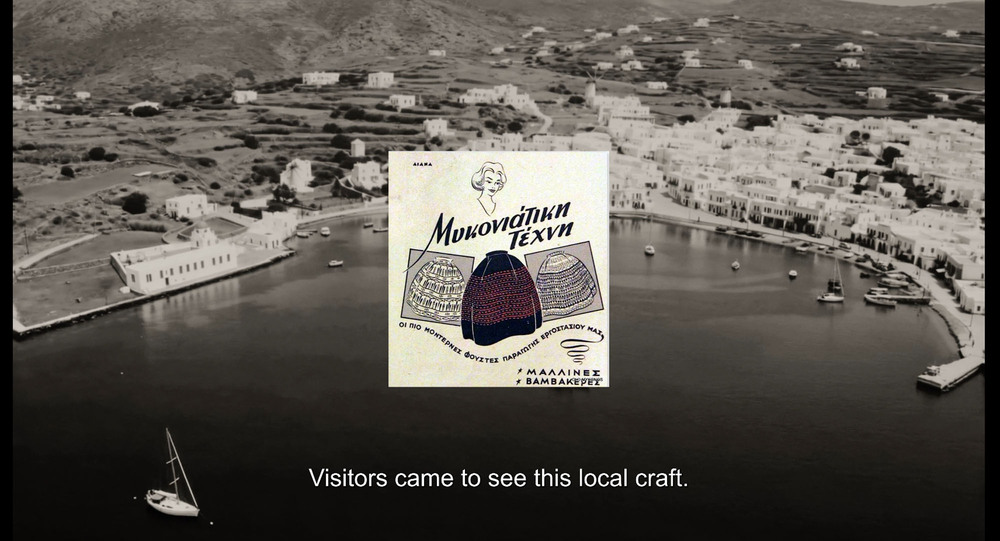
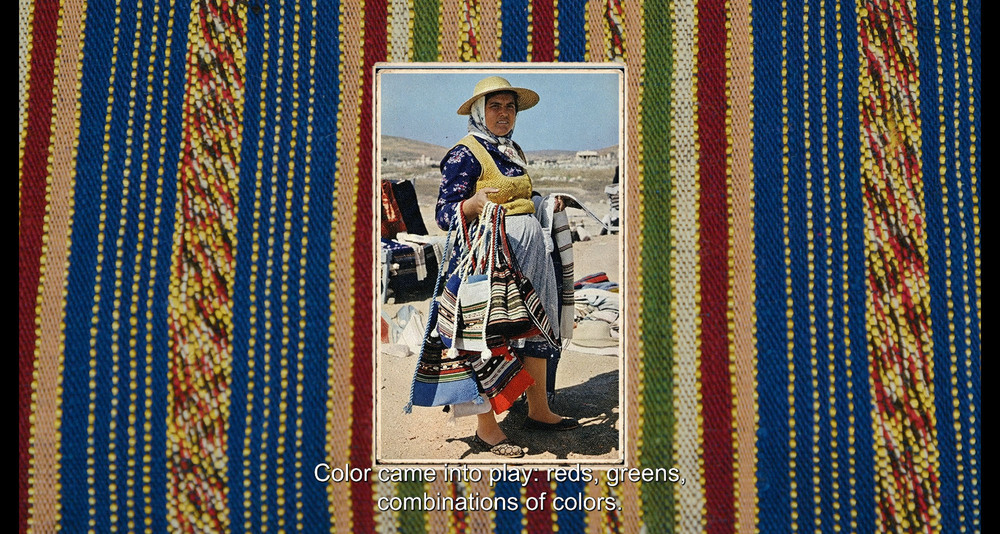
At the same time, the documentary sheds light on the role of weaving in the early development of tourism in Mykonos and the recognition that Mykonian textiles gained beyond the island. The traditional craft is thus connected to the island’s economic and social development, as well as to its potential to take on new forms through contemporary creative practice. Watch the documentary The Thread of the World here.
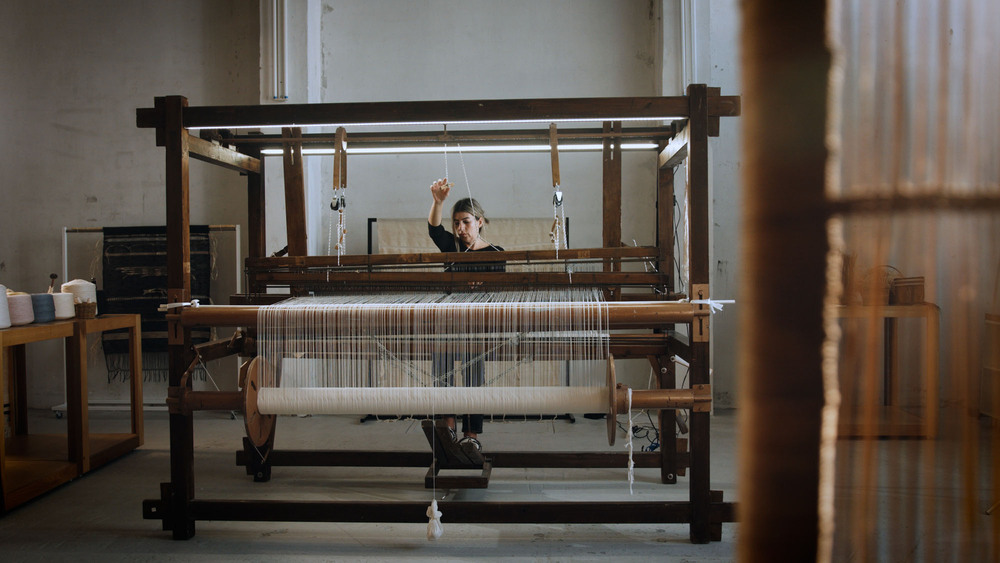
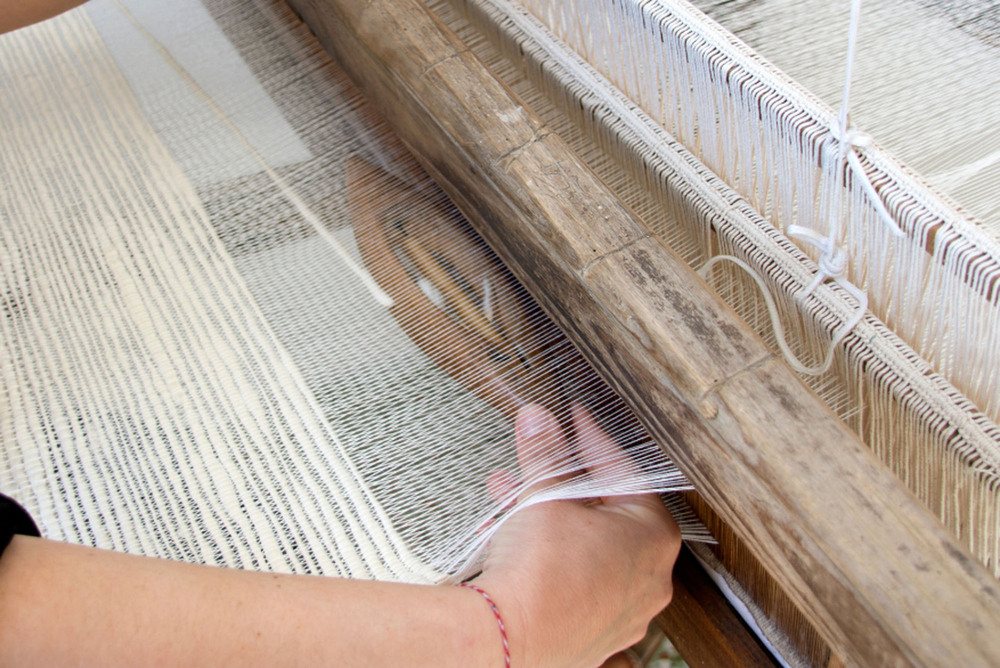
As part of The Revival of the Ancient Greek Art of Weaving in 21st-Century Mykonos programme, a wooden, upright, vertical loom based on an ancient design was also constructed. Its construction and operation provide an opportunity to study an ancient technique in practice and understand how the loom worked.
The programme The Revival of the Ancient Greek Art of Weaving in 21st-Century Mykonos was presented to the local community of Mykonos during a two-day series of events.
On the first day, the documentary The Thread of the World received its premiere screening at CINE MANTO. The screening was accompanied by talks from archaeologist Dr Angeliki Kosmopoulou, archaeologist Maria Koutsoumbou, and social anthropologist and Assistant Professor at Panteion University Despoina Nazou. Their different academic perspectives highlighted weaving as a historical practice, as part of local social life and as a field of contemporary creativity.
On the second day, the wooden loom based on an ancient design was presented to primary and lower secondary school pupils from Mykonos at the Folklore Museum. Guided by contemporary weaver Fayi Hatzi, the pupils learnt about the history of weaving and were introduced to the individual stages of the weaving process. The aim was for them to discover weaving not only as a technique of the past, but also as a skill that can be passed on and developed in the present.